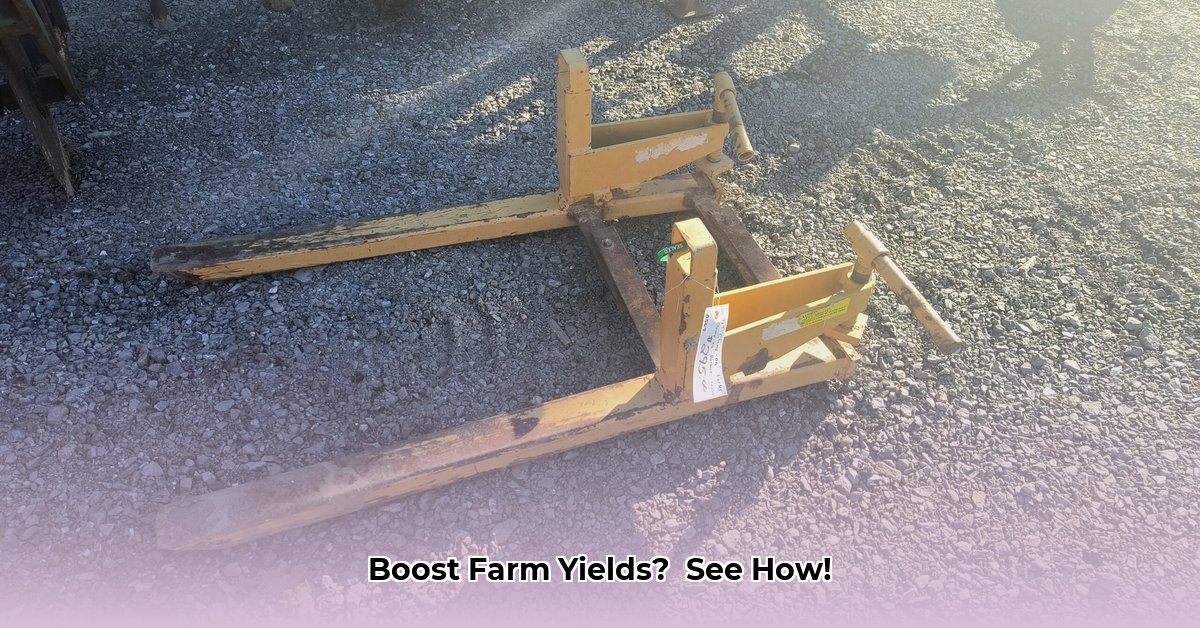
Clamp-On Pallet Forks: Revolutionizing Farm Work
Clamp-on pallet forks are transforming agricultural operations, offering significant improvements in efficiency and sustainability. Whether you're a small-scale farmer or managing a large operation, these versatile attachments can streamline material handling, saving time, labor, and resources. This guide provides actionable, step-by-step instructions for safe and effective use, maximizing your investment and minimizing your environmental impact. We'll cover everything from proper attachment and operation to maintenance and troubleshooting. For more information on tractor attachments, visit this helpful resource.
Safety Guidelines: Prioritizing Farm Safety
Before you begin, remember that safety is paramount. Always consult your tractor's owner's manual and the manufacturer's instructions for your specific pallet fork model. Never exceed the weight limits specified for your equipment. Overloading can lead to catastrophic equipment failure and serious injury.
Essential Safety Precautions:
- Inspect Forks Before Use: Check for cracks, bends, or any signs of damage before each use. Damaged forks should be immediately removed from service.
- Proper Attire: Wear sturdy work boots, gloves, and eye protection at all times when operating the forks.
- Secure Attachment: Ensure the forks are securely attached to the tractor's lift arms, double-checking all locking mechanisms are engaged.
- Controlled Movements: Operate the forks with smooth, controlled movements to avoid sudden jerks or jarring.
- Weight Limits: Never exceed the maximum weight capacity of the pallet forks or your tractor.
- Awareness of Surroundings: Be aware of your surroundings, keeping a safe distance from obstacles and uneven terrain.
Step-by-Step Instructions: Attaching and Operating Pallet Forks
The specific attachment process may vary depending on your tractor and fork model, but these general steps provide a solid foundation. Always refer to the manufacturer's instructions for detailed guidance.
Attachment:
- Pre-flight Check: Inspect the forks for damage.
- Alignment: Align the forks with the tractor's lift arms ensuring a precise fit.
- Secure Connection: Connect the forks to the lift arms, ensuring a snug fit.
- Locking Mechanisms: Engage all locking pins and mechanisms, double-checking for secure engagement.
- Test Lift: Lift a light object to verify stability before handling heavy loads.
Operation:
- Lifting: Slowly and steadily raise the load, maintaining control at all times.
- Transport: Drive slowly and carefully, avoiding sudden movements or sharp turns.
- Lowering: Gradually lower the load, ensuring even distribution before detaching.
- Detachment: Reverse the attachment steps, ensuring all locking mechanisms are disengaged before removal.
Maintenance and Troubleshooting: Ensuring Longevity
Regular maintenance is crucial for both safety and the longevity of your pallet forks. A well-maintained system means less downtime and extends equipment life.
- Lubrication: Regularly lubricate all moving parts according to the manufacturer's recommendations. This reduces friction and wear.
- Cleaning: Keep the forks clean of debris. Regular cleaning prevents rust and enhances safety.
- Inspection: Conduct regular inspections (monthly is a good start) for wear, damage, and loose connections. Address any issues immediately.
- Hydraulic System: Carefully monitor the hydraulic system – leaks should be addressed immediately by a qualified mechanic. This can prevent catastrophic failure.
Sustainable Practices: Integrating Environmental Responsibility
Using clamp-on pallet forks supports sustainable farming by enhancing efficiency and minimizing environmental impact. Efficient material handling leads to:
- Reduced Fuel Consumption: Less time spent on manual labor translates to less fuel usage, reducing your carbon footprint. Isn't that a win-win?
- Minimized Soil Compaction: By reducing the need for multiple passes with heavier machinery, you minimize soil compaction, preserving soil health and water infiltration. This is vital for long-term productivity.
Case Study: Real-World Success Stories
Many farmers are already experiencing the benefits of clamp-on pallet forks. One small-scale farmer reported a 25% increase in harvesting efficiency after implementing pallet forks, reducing labor costs and improving overall farm operations. Such improvements across various applications contribute to a more sustainable, efficient, and profitable agricultural future.
Conclusion: Maximize Your Farm's Potential
Clamp-on pallet forks offer a significant opportunity to boost farm efficiency, reduce labor costs, and support sustainable practices. By following the safety guidelines and maintenance procedures outlined in this guide, you can maximize the benefits of this valuable investment and ensure a safer, more productive farming operation for years to come. Remember to always consult your equipment's manuals for specific instructions and safety recommendations.